
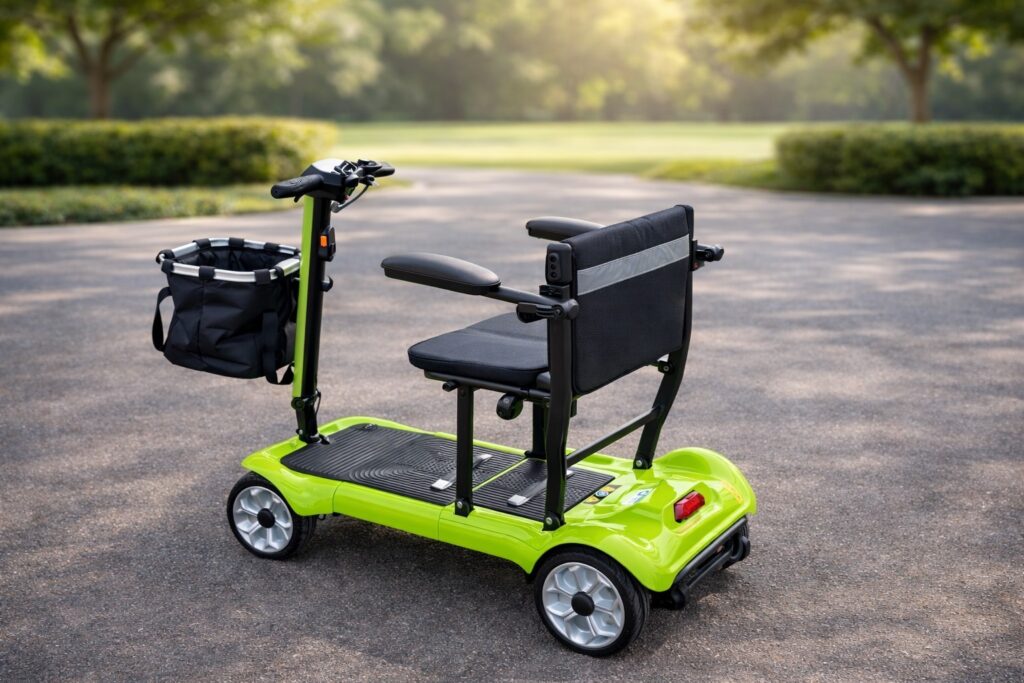
If you’re considering buying a mobility scooter, one of the first questions that often comes up is:
“Do I need a driving licence to use a mobility scooter?”
The good news is that in most cases, the answer is no. However, there are important UK rules you should understand before using one.
This guide explains everything clearly — from licence requirements to speed limits and registration.
Do You Need a Driving Licence?
In the UK, you do not need a driving licence to operate a mobility scooter.
Mobility scooters are not classified as motor vehicles in the same way as cars or motorcycles, so a standard driving licence is not required.
However, you must:
- Be 14 years or older
- Have a physical impairment that affects mobility (as scooters are designed for mobility assistance)
Mobility Scooter Classes Explained
UK mobility scooters fall into two legal categories:
Class 2 Mobility Scooters
- Maximum speed: 4mph (6km/h)
- Designed for pavement use
- Cannot be used on roads (except to cross them)
- Do not require DVLA registration
Most lightweight folding and portable mobility scooters fall into this category.
These are ideal for:
- Shopping trips
- Pavement travel
- Urban pedestrian areas
- Day-to-day independence
Class 3 Mobility Scooters
- Maximum speed: 8mph (12.8km/h)
- Can be used on roads (except motorways)
- Must be registered with the DVLA
- Require lights, indicators and a horn
Class 3 scooters are larger and designed for longer journeys.
Do You Need Insurance?
Insurance is not legally required in the UK.
However, it is strongly recommended.
Insurance can cover:
- Accidental damage
- Third-party liability
- Theft
- Personal injury
Even though it’s not mandatory, many users choose insurance for peace of mind.
Do You Need to Register Your Scooter?
- Class 2 scooters: No registration required
- Class 3 scooters: Must be registered with the DVLA (no road tax payable)
Registration for Class 3 is free and ensures the scooter meets road-use standards.
Where Can You Use a Mobility Scooter?
Pavements
Class 2 and Class 3 scooters may use pavements at a maximum speed of 4mph.
Roads
Only Class 3 scooters may be used on roads (excluding motorways).
Crossing Roads
Both Class 2 and Class 3 scooters can cross roads.
Pedestrian Areas & Shopping Centres
Generally permitted, but always follow local signage and centre policies.
Are There Speed Limits?
Yes.
- Pavement use: Maximum 4mph
- Road use (Class 3): Maximum 8mph
Even if your scooter is capable of higher speeds, you must comply with legal limits.
Do You Need to Wear a Helmet?
No — helmets are not legally required for mobility scooter users in the UK.
However, users should ensure they operate safely and responsibly in public spaces.
Are There Penalties for Misuse?
Yes.
Dangerous driving or reckless use can lead to:
- Fines
- Confiscation
- Legal consequences
Mobility scooters must be used responsibly, particularly in busy pedestrian areas.
Key Takeaways
✔ No driving licence required
✔ No road tax
✔ Class 2 scooters ideal for pavements
✔ Class 3 required for road use
✔ Insurance recommended but not mandatory
For most lightweight, foldable and portable scooters used for everyday errands, the regulations are straightforward and user-friendly.
Mobility scooters are designed to improve independence — not complicate it.
The UK legal framework makes ownership simple, particularly for lightweight pavement-use scooters. Understanding the rules ensures you can travel confidently and safely.
Recommended products
-
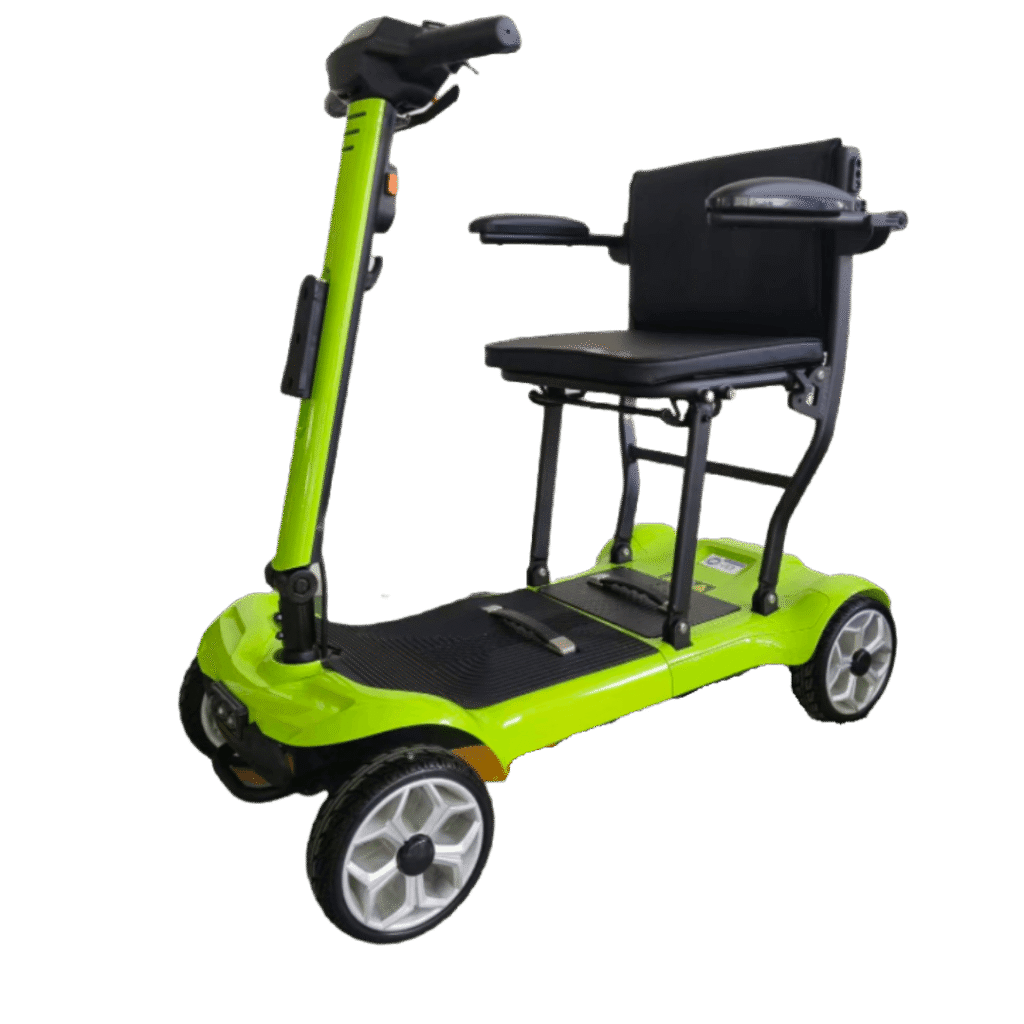
SLK Power Go Series Green Mobility Scooter
£699.00 -
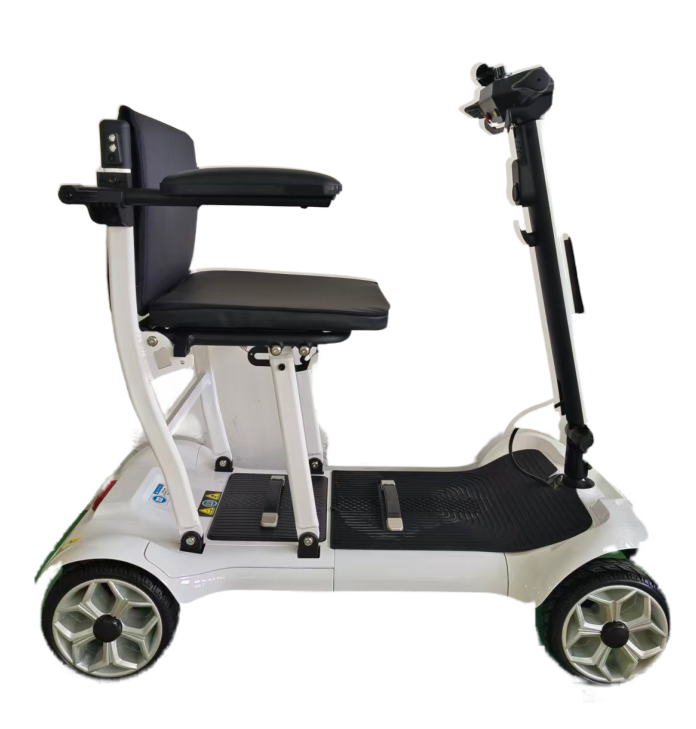
SLK Power Go Series White Mobility Scooter
£699.00 -
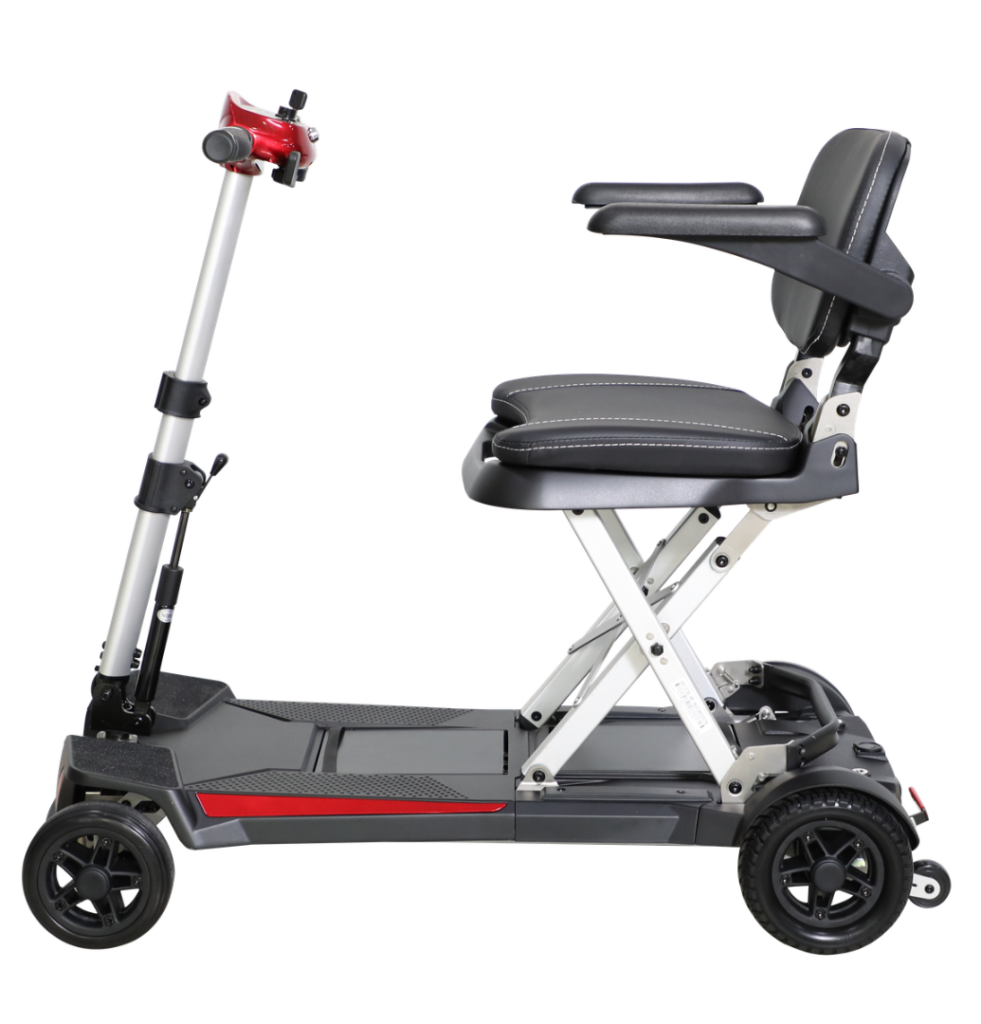
Blue Solax Mobifree Lightweight Folding Lithium Mobility Scooter
£1,095.00 -
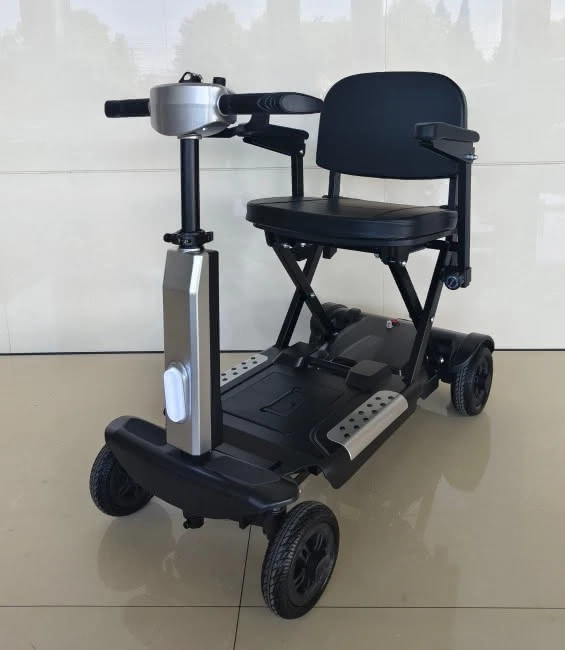
SLK Deluxe Auto-Folding Lightweight Mobility Scooter Lithium Battery Red
£999.00 -
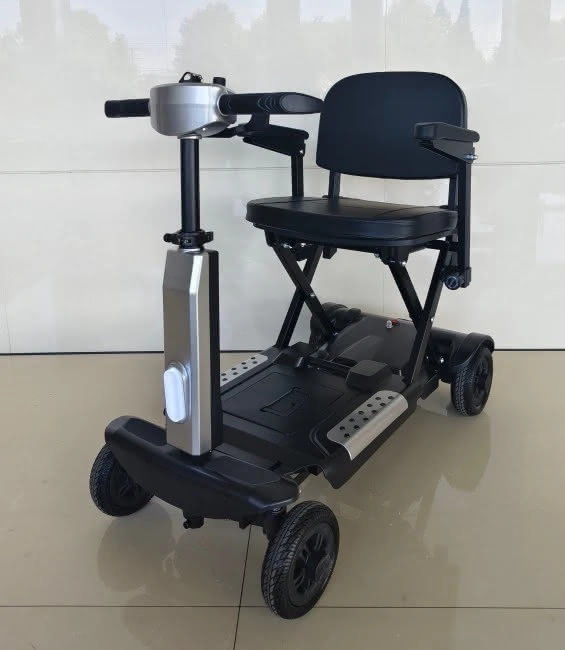
SLK Deluxe Auto-Folding Lightweight Mobility Scooter Lithium Battery Silver
£999.00