
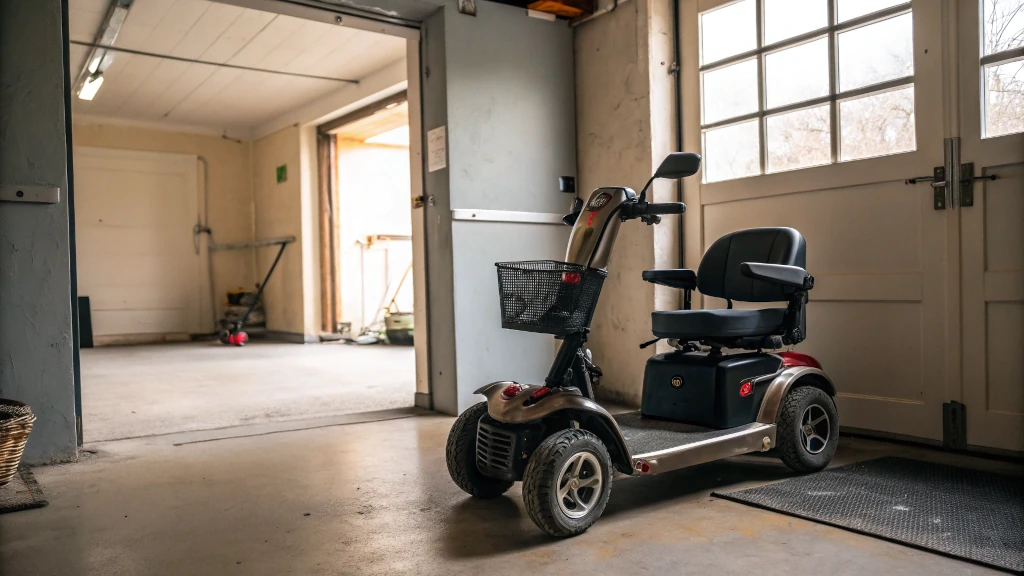
If an electric scooter is left unused for a long period, the most common issues relate to battery health, followed by reduced performance and minor mechanical problems. In many cases, these issues are preventable with correct storage and occasional maintenance.
Below, we explain what can happen, why it happens, and what you can do to avoid long-term damage.
1. Battery Degradation Is the Biggest Risk

The battery is the most sensitive component of any electric scooter. When a scooter is not used for weeks or months, the battery can slowly lose charge on its own — a process known as self-discharge.

If the battery is allowed to discharge too deeply:

It may struggle to hold a charge

The usable range can be permanently reduced

In some cases, the battery may fail completely

This risk is higher if the scooter is stored fully empty or fully charged for long periods.

2. Reduced Range and Performance When Reused

After long periods of inactivity, some users notice:

Shorter travel distance per charge

Slower acceleration

Reduced hill-climbing ability

This doesn’t always mean the scooter is faulty. Batteries that haven’t been cycled for a while often need several normal charge-and-use cycles to recover partial performance.

However, repeated long-term storage without charging can cause irreversible capacity loss.
3. Tyres Can Develop Flat Spots or Pressure Loss

If a scooter remains stationary for months:

Air-filled tyres may lose pressure

Flat spots can form where weight rests on the tyre

Solid or foam-filled tyres may stiffen slightly in cold environments

While this is usually minor, it can affect ride comfort and handling when the scooter is used again.
Best selling products


4. Electrical Contacts and Connectors May Deteriorate

Moisture, temperature changes, and dust can affect:

Charging ports

Battery terminals

Wiring connectors

If a scooter is stored in a damp garage, shed, or unheated space, corrosion can develop over time, leading to charging or power issues.
5. Software and Electronics May Need Resetting

Some modern electric scooters include:

Battery management systems (BMS)

Safety cut-off circuits

Electronic controllers

After long inactivity, these systems may temporarily disable output until the battery is properly charged or reset. This is normal and usually resolves after a full charge cycle.
How Long Is “Too Long” Without Use?
As a general guide:
- 2–4 weeks: Usually no issues if stored correctly
- 1–3 months: Battery may partially discharge, but recoverable
- 3–6 months: Increased risk of battery degradation
- 6+ months: High likelihood of permanent battery damage if not maintained
How to Store an Electric Scooter Properly
To prevent problems during periods of non-use:
- Store the battery at 40–60% charge
- Recharge the battery every 4–6 weeks
- Keep the scooter in a dry, room-temperature environment
- Avoid leaving it plugged in continuously
- Check tyre pressure occasionally
If the battery is removable, storing it indoors is often best.
Can an Unused Scooter Be Fixed?
In many cases, yes.
If a scooter has been unused for a long time:
- Try a full, uninterrupted charge
- Use the scooter gently for the first few cycles
- Avoid deep discharges initially
If the battery no longer charges or the range is extremely limited, replacement may be required — which is common for batteries that have been left fully discharged for extended periods.
Final Thoughts
Leaving an electric scooter unused for a long time doesn’t automatically mean it will be damaged — but batteries need care even when the scooter isn’t in use.
With correct storage and occasional charging, most electric scooters can remain unused for months without issue and return to normal operation when needed.